 CA
CA
 UK
UK
 USA
USA

How to Measure a Box? Measure LxWxH for Accuracy
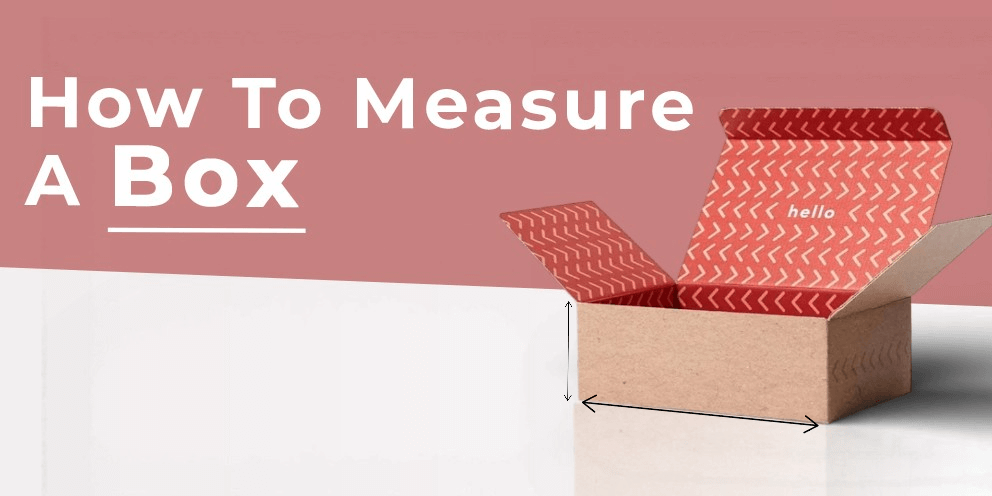
Table of Contents
Start by ensuring the length × width × height or length × width × depth. Measuring a box may seem simple but doing it correctly is important for shipping. So you can easily use these dimensions to measure the box for shipping. Boxes come in many sizes and shapes so knowing how to measure them with the correct dimensions ensures accuracy and avoids problems.
Around 70% of shipping in e-commerce Canadian businesses uses custom boxes. So if you are a business owner and on the verge of ordering your next customized boxes for the products you sell, then you should know the details to measure the box accurately to tell your exact needs to the supplier. In this guide, we will cover everything on how to measure boxes effectively.
How Do You Measure a Box with 3 Dimensions? Steps to Follow
To measure a box you need a ruler or a tape measure. Plus you must know the correct dimensions as well. The box has three main parts to measure such as the length, width and height. First you have to find the longest side of the box and measure it from one end to the other. This is the length. Then measure the shorter side next to the length. This is the width. Finally then measure from the bottom of the box to the top this is the height.
For example if you want to measure a custom serum box start by holding it straight and measuring its length, width and height. After taking the measurements make sure to measure both the inside and outside dimensions. Finally write down all the numbers to use in a calculator or for accurate reference.
What Does L × W × H Mean?
These three measurement dimensions are always written in this order length × width × height. This order is commonly used by suppliers and carriers so following it avoids confusion. If you want to find out the space inside the box you multiply these three numbers together to get the volume.
For example if a box is 10 inches long, 8 inches wide and 5 inches high, its volume is:
10 × 8 × 5 = 400 cubic inches.
If the box has flaps or handles that stick out then don’t forget to include those in your measurements as well. Also if you are measuring the box for shipping always measure the outside size because shipping charges depend on this. Otherwise you end up getting the wrong boxes for your products.
What Comes First Length, Width or Height?
Its length usually comes first followed by width and then height. This is the standard used by most suppliers and carriers. Following this order prevents confusion when reporting dimensions. Some industries may use other formats but L × W × H is most common.
Clear the Confusion of Internal and External Dimensions
Boxes have two types of dimensions: internal and external. Internal dimensions measure the usable space inside the box. Always note whether you are measuring inside or outside because carriers and suppliers may require one or the other.
| Type of Measurement | What to Measure From | Tools to Use | Purpose |
| External Dimensions | Outside edges | Ruler or tape | For shipping and packaging |
| Internal Dimensions | Inside edges | Ruler | For fitting items inside |
Measurements of a Box in Inches and Centimeters
Always write dimensions as length × width × height. To convert inches to centimeters, multiply by 2.54 (because 1 inch = 2.54 cm). For example 10 inches = 25.4 cm. Measure carefully, keeping the tape straight and at right angles for accuracy. These measurements help calculate volume or choose a box size.
Measure a Box with a Ruler or Without a Ruler
If you do not have a tape measure a ruler works well for small boxes. Place the ruler along the edge of the box and note the measurement. Write it down alongside to avoid mistakes. Always add the sections together to get the total length or height.
On the other hand if you do not have a ruler then use the string. Measure one edge with the string then lay the string against a ruler to get the measurement. Always double check to avoid errors.
How to Measure the Girth of the Box?
Girth is the distance around the thickest part of the box. To measure it, add the width plus the height and multiply by two. Some carriers calculate shipping costs based on the length plus girth. Always measure carefully and include the correct girth to avoid surprises.
Legal and Carrier Requirements for Measuring a Box
Many shipping companies have rules about box sizes and weights. You have to comply with certain standards to ensure that you use boxes with accurate dimensions. If you fall short in this area then what’s the result that the carriers may charge extra if your box exceeds specific limits. Moreover the legal requirements may also apply to certain items, such as hazardous materials. SDGs packaging standards must also be followed.
Common Measuring Mistakes that End Up in Wrong Investments
Many people make mistakes when measuring boxes because they get confused about box dimensions. The main issues are mixing up internal and external measurements and forgetting to count the thickness of the box material. Also measuring at an angle or not using a straight edge can cause wrong results. These mistakes may lead to boxes that do not fit the products correctly. To avoid this always measure the box on a flat surface, use a clear and consistent method, and double-check all measurements.
Concluding Remarks
Just make sure that you know the exact dimensions and measurement units when measuring boxes for any project or need. With practice measuring boxes becomes quick and simple, helping you save time and avoid problems with shipments or storage.
Recent Blogs
From food and beauty to fashion, electronics, and more, our custom packaging boxes are designed to fit your products, reflect your brand, and stand out on the shelf. You tell us what you need and we will handle the rest. We offer a wide variety of packaging styles to suit every product, brand and occasion.
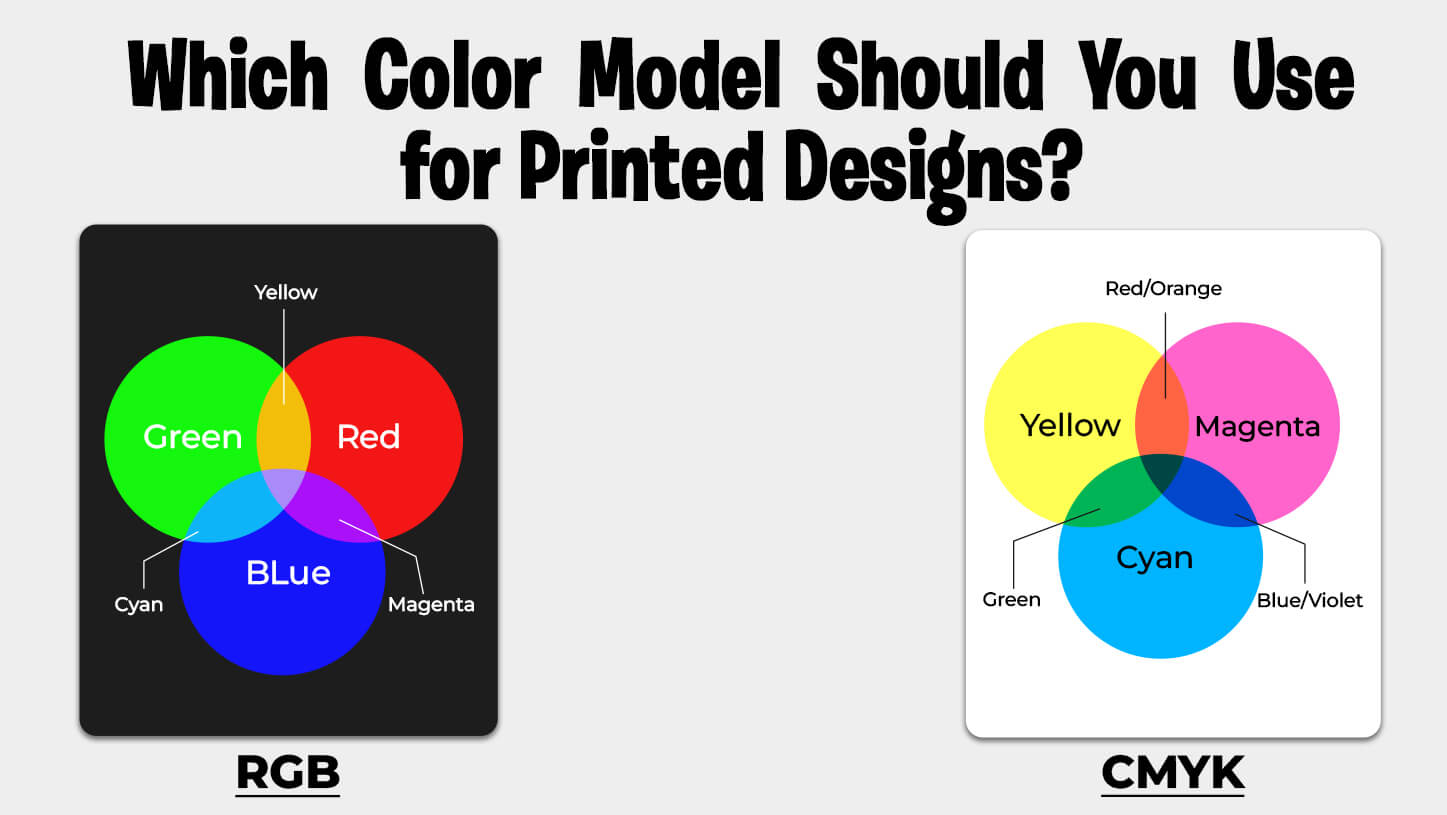
Which Color Model Should You Use for Printed Designs?
Take a look around you; colors are everywhere. CMYK, RGB, and Pantone colors are used for printing designs. But when...
How to Measure a Box? Measure LxWxH for Accuracy
Start by ensuring the length × width × height or length × width × depth. Measuring a box may seem...